Sustainable Design: Eco-Friendly Ideas for a Greener Home

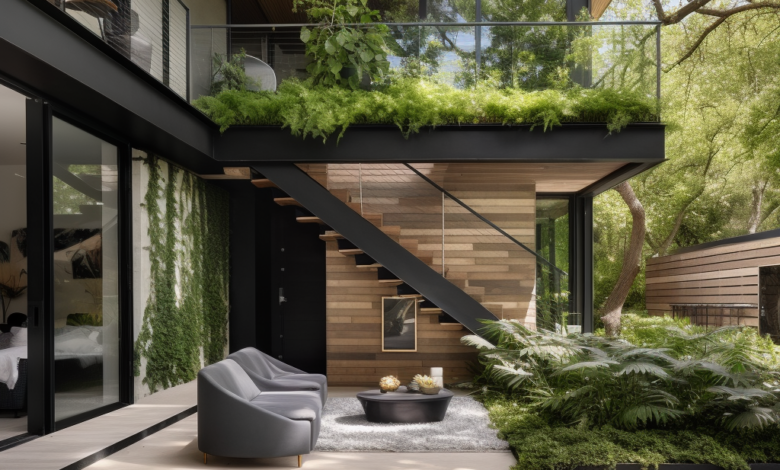
You don’t need to gut your house or turn your life inside out to live a little greener. Sustainable design really comes down to the choices you make are some big, some small things that cut waste, save energy, and make your home feel better. More people are starting to realize just how much their homes impact the planet. What started as a passing trend is now just how a lot of us want to live: comfortable, good-looking, but with a bit more care for the environment.
Start With Materials That Matter
The materials you use are a good place to start. If you love wood and earthy textures, go for bamboo, cork, or reclaimed wood. These aren’t just easy on the eyes and they’re renewable, biodegradable, and stick around for years. They bring a warm, natural feel to your space without leaving a heavy footprint.
If you lean toward a modern look, you’re in luck. There’s no shortage of recycled materials now. And everything from countertops to tiles and even sinks made from recycled glass, metal, or stone. You get that crisp, fresh vibe, and you’re not adding to the landfill.
Let in More Light and Air
How a room feels usually matters more than how it looks. Natural light makes any space brighter and just nicer to be in. You don’t have to live in the dark. Big windows, skylights, or a few mirrors can flood your place with sunlight, so you use less artificial light.
Don’t forget fresh air. Open the windows, let the breeze flow through, and your rooms will smell better. Plus, you won’t need the AC as much. The combo of sunlight and fresh air just makes everything calmer and cleaner.
Make Smart Energy Choices
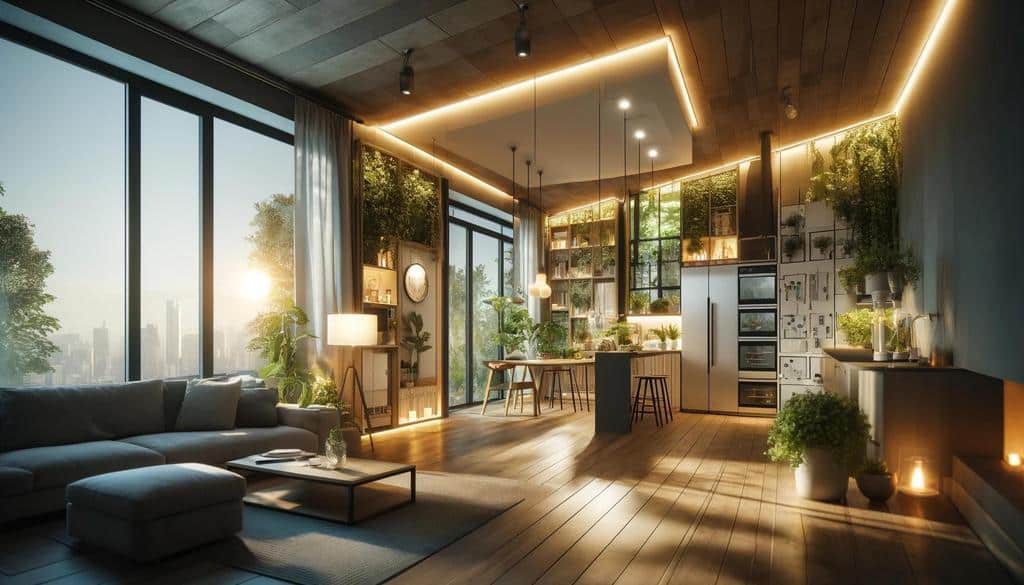
Saving energy isn’t rocket science. Swapping old bulbs for LEDs is easy, they last forever and use way less power. If it’s time for new appliances, pick ones that work hard but don’t waste electricity.
Thinking about solar? Even a few panels can shrink your energy bill and your footprint. Not ready to go full solar? Try smart plugs, energy monitors, or a programmable thermostat. They help you spot energy hogs and cut back without thinking too hard about it.
Bring Nature In
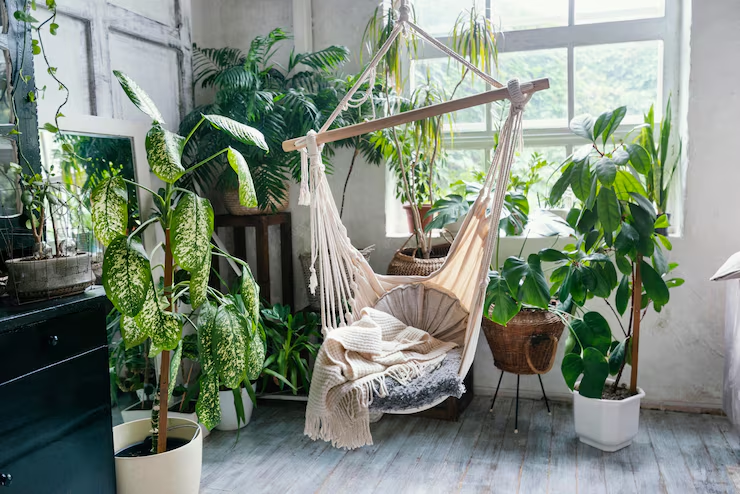
Biophilic design sounds fancy, but it’s really just about bringing the outdoors inside. Houseplants do more than look good—they clean the air and lift your mood. Even a few herbs on the windowsill or a small living wall can make your home feel alive.
Take it further with natural fabrics: organic cotton, linen, hemp, jute. They feel and breathe better, skip the nasty chemicals, and add warmth and texture. Plus, they’re a lot friendlier to the earth.
Reduce, Reuse, Rethink Your Stuff
Before you buy something new, look around. Maybe that old dresser just needs a coat of paint, or you can freshen up a tired chair. Thrift shops and vintage stores are full of pieces with real character, and you keep more stuff out of the landfill.
A lot of the time, you don’t need more things. Making the most of what you have is sometimes the smartest and greenest move.
Conclusion
There’s no one-size-fits-all approach to sustainable design. It’s about making thoughtful choices, one step at a time. Whether you’re picking better materials, letting in more light, trimming your energy use, or just adding a few plants, every little bit counts. In the end, your home feels more like you and does a bit of good for the world beyond your door.