Material Innovation in Smartphone Design: Glass, Metal, and Other Materials

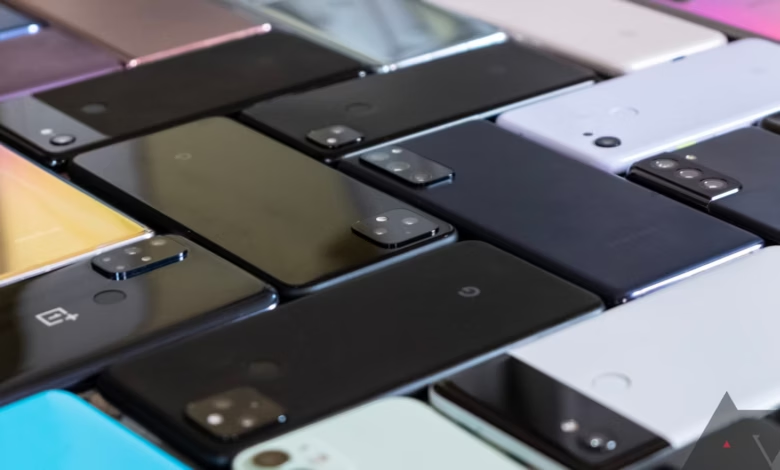
The design of smartphones has extended beyond designs whose focus is solely on the screen size and location of the camera lens. The materials used in making smartphone designs have the potential to express a tremendous amount of identity, class, and purposes associated with the smartphone itself, including glass materials used to design smartphones, metals, and even environment-friendly materials.
Glass – Where Elegence Meets Technology

Glass has turned up as the new “face” of prestigious smartphones. The sleekness and reflection properties of glass facilitate effortless transmission of an elegance and luxury feel. However, besides its aesthetic usability, glass has plenty more to offer. Present-day smartphone glass is crafted with the aim of enhancing wireless reception, along with wireless charging capabilities with scratch-resistance like never before.
The technologies developed in stronger glass have made smartphonesmuch more robust in design compared to the previous ones. Though they cannot be protected against being damaged in a fall, the designs are being improved by various manufacturers.
Frames Made of Metal and Confidence in Structure
Metal is a major component of smartphone technology, primarily in the context of making phone frames. Aluminum and stainless steel top the list. The former is light in weight along with being quite easy to handle. It is ideal for use in the manufacturing of thin smartphones. The latter gives a seamless finish, which is common in high-end smartphones.
Apart from that, another advantage that metal has is in regards to heat management. With the increased processing capabilities of modern smartphones, cooling has become an essential part of phone designs in order to protect and prolong its functionality.
Plastic Reimagined for Modern Consumers
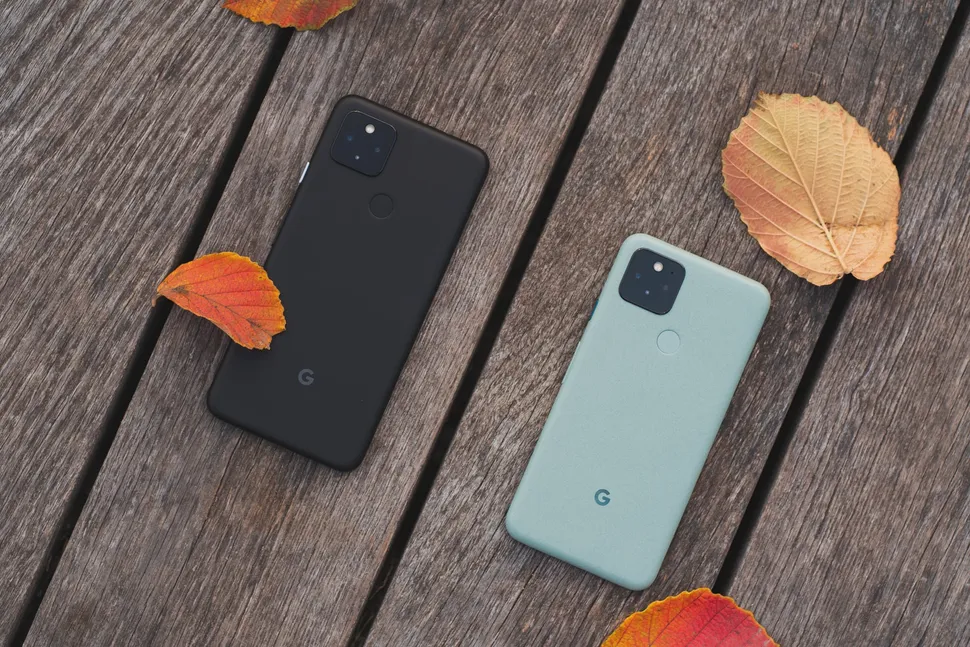
Plastic may not be so exciting, but in the good old days of the smartphone market, it has undergone some form of transformation. The kind of plastic used these days is hard, lighter, and smoother compared to the old days. Besides, the chances of it breaking into pieces, unlike glass, are minimal, and therefore even more ideal.
Instead, designers are now using matte finishes, textures, and bright colors to turn plastic smartphones into something more than just a budget choice. In many ways, the use of plastic has turned out to be an incredibly shrewd design decision.
The development of new materials is a key
Innovations do not just stop at traditional materials. Ceramic-backed handsets sport favor not only because of resistance to scratches and smooth feel to the eye, but also due to the strength carbon fibers provide. Such materials match well with the importance of strong identity.
Sustainability has begun to emerge as a consideration in material innovation. Recycling metals, sustainable plastics, and reduced waste in the latter process are also being taken into consideration. It has been found that due to consumer awareness about environmental issues, design for sustainability has begun to impact material used in smartphones.
Conclusion
The evolving field of materials has ensured that designing a smartphone is an appropriate blend of quality, functionality, looks, and responsibility. Glass gives an element of sophistication, metal provides strength and better battery life, and newer generations of polymers and materials suggest flexibility and sustainability. It is likely that the materials in the future of smartphones will have as important an implication as the technologies surrounding smartphones.